Dump truck or flatbed — what is the difference?
How to decide whether your job needs dump truck transport or flatbed transport — based on material, cargo shape and dimensions.
When a load needs to be brought to or removed from a site, the question often comes up: dump truck or flatbed? Both are open transport vehicles, but they suit very different types of cargo, and picking the wrong one can mean unnecessary waiting or even a second order.
This overview helps you quickly work out which solution fits your specific load, and what to do if you're not sure.
Dump trucks suit loose bulk material
Dump truck transport is the right choice when the load is loose material — such as sand, crushed stone, gravel, soil, or soil removed from a construction site.
How a dump truck is loaded
A dump truck is usually loaded with an excavator or loader and emptied by tipping, without needing separate lifting equipment for unloading.
Common use cases
Dump trucks are most often used on construction sites, roadworks and landscaping projects, where fill material needs to be brought in or excess soil taken away.
Flatbeds suit long or oversized cargo
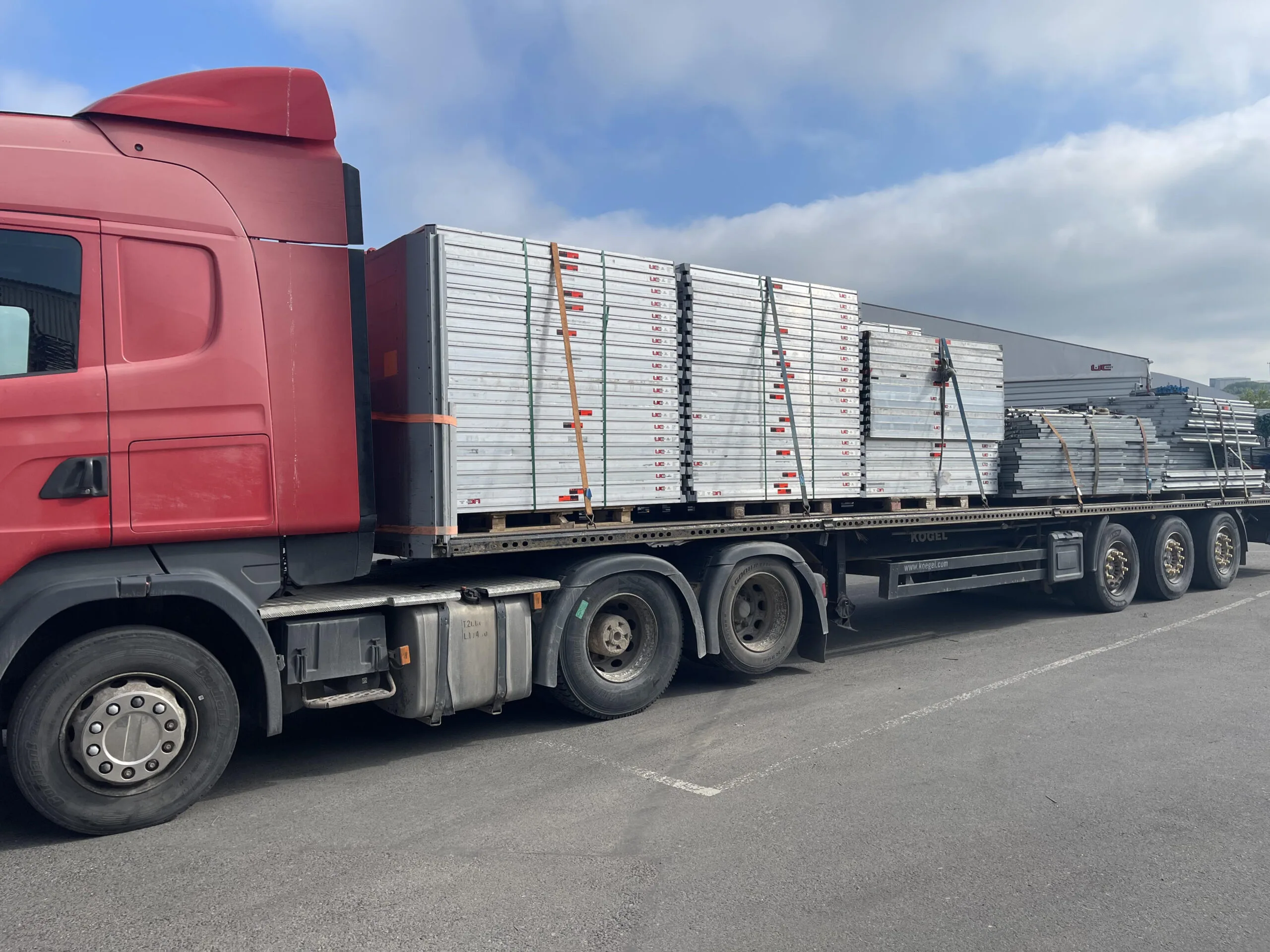
Flatbed transport suits cargo that cannot be loaded into a dump truck — such as steel structures, containers, pipes, industrial equipment or other long, rigid loads.
How a flatbed is loaded
A flatbed is an open trailer onto which cargo is lifted with a crane, loader or other lifting equipment. Loading usually requires lifting equipment already on site.
Common use cases
Flatbeds are often used for industrial equipment, construction elements and long materials that don't fit or suit a closed trailer.
When the cargo is borderline
Sometimes a load could go either way — for example a compact piece of industrial equipment or a smaller structure. In that case, the weight, shape of the cargo, and the safest way to load and unload it decide the choice.
An example decision
For example, a smaller generator could fit on either a dump truck or a flatbed, but if it is sensitive to impact, a flatbed is the safer choice, since the load is secured in place rather than tipped.
Ask about both if unsure
If it isn't clear which fits better, describe the cargo and its dimensions and ask for a recommendation.
- Name of the cargo or material
- Approximate quantity or dimensions
- Whether the load is loose or a solid piece
- Whether lifting equipment is available on site
- Loading and unloading address
Summary
A dump truck and a flatbed solve different problems: a dump truck suits loose material, a flatbed suits long, rigid cargo. When the load is borderline, weight, shape and the safest loading method decide.
If you're not sure which fits, describe the load in more detail and ask for a recommendation — that way you get a clear answer before ordering, not on transport day.
Frequently asked questions
Can a dump truck and a flatbed be ordered for the same site at once?
Yes, if the site needs both bulk material transport and transport of a larger item, both services can be ordered as separate jobs.
Can a flatbed carry loose material too?
Usually not, since a flatbed has no sides or base to contain loose material. A dump truck is the right choice for that.
What if there's no lifting equipment on site for flatbed loading?
Let the transporter know before ordering — a suitable arrangement can be made, or the necessary lifting equipment brought along.
Which is cheaper, a dump truck or a flatbed?
Price depends on the load, distance and time, not just the vehicle type. You'll get an exact price when requesting a quote.
See our dump truck and flatbed transport services and request a quote.
Read more articles
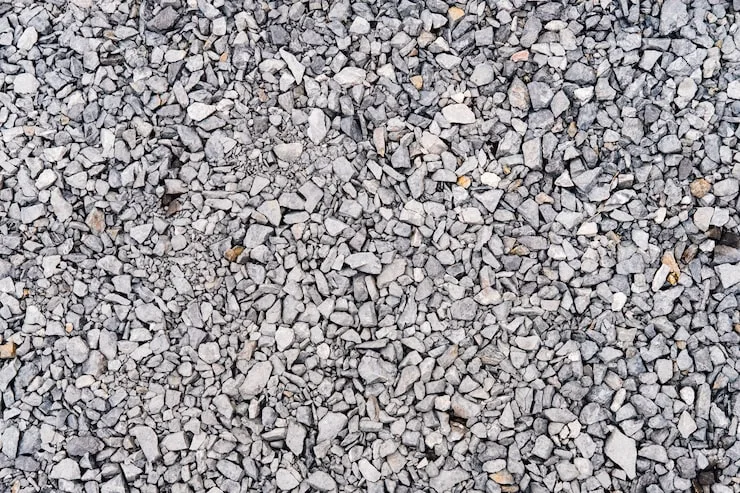
How Much Gravel, Sand or Soil Do You Actually Need?
A simple formula for calculating how many tonnes of crushed stone, sand, soil or gravel a job needs — plus an example of how that turns into a price.
Read more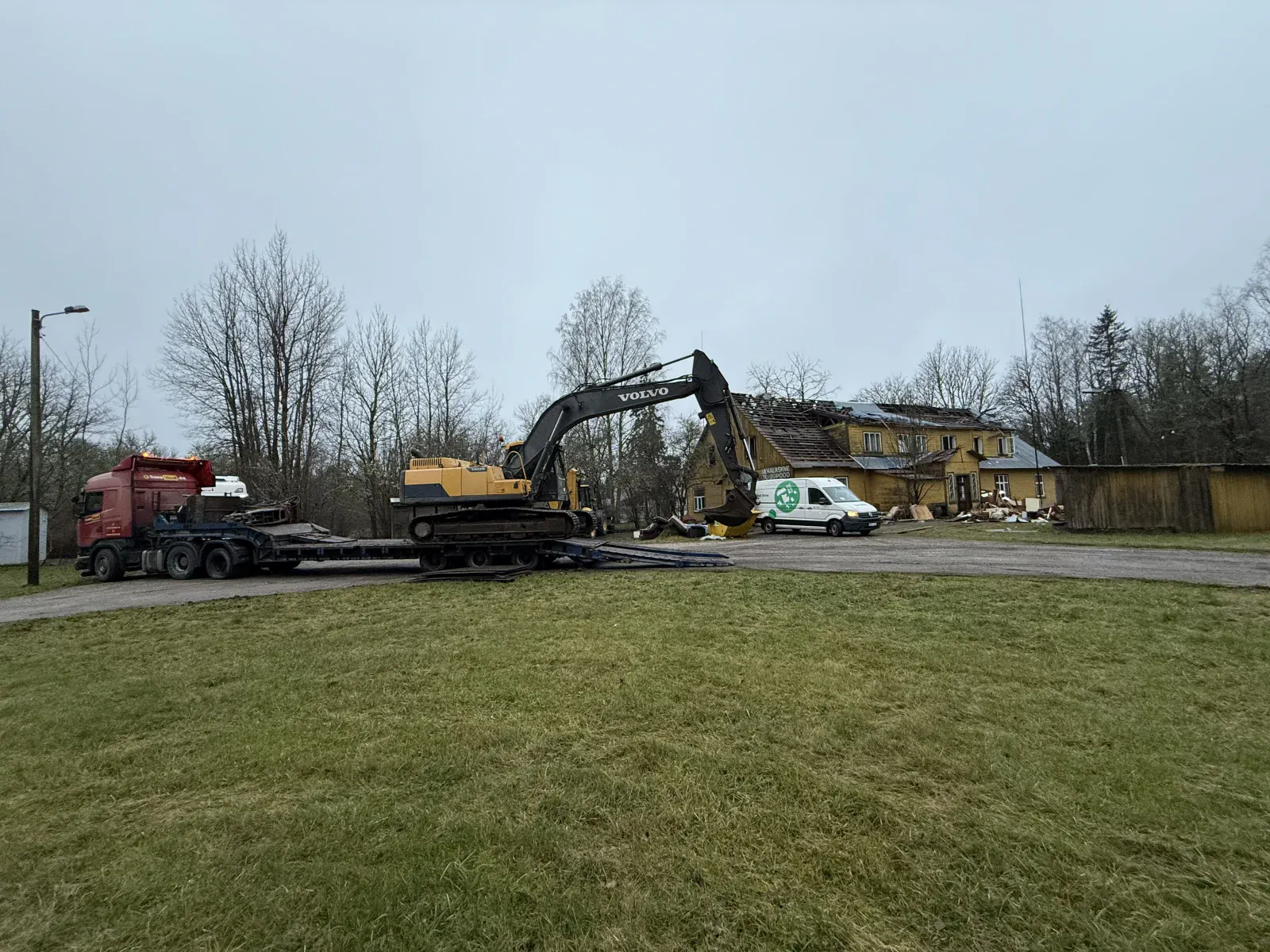
How to choose a heavy machinery transporter
What to check before ordering excavator, loader or other heavy machinery transport — weight, dimensions, trailer type and route.
Read more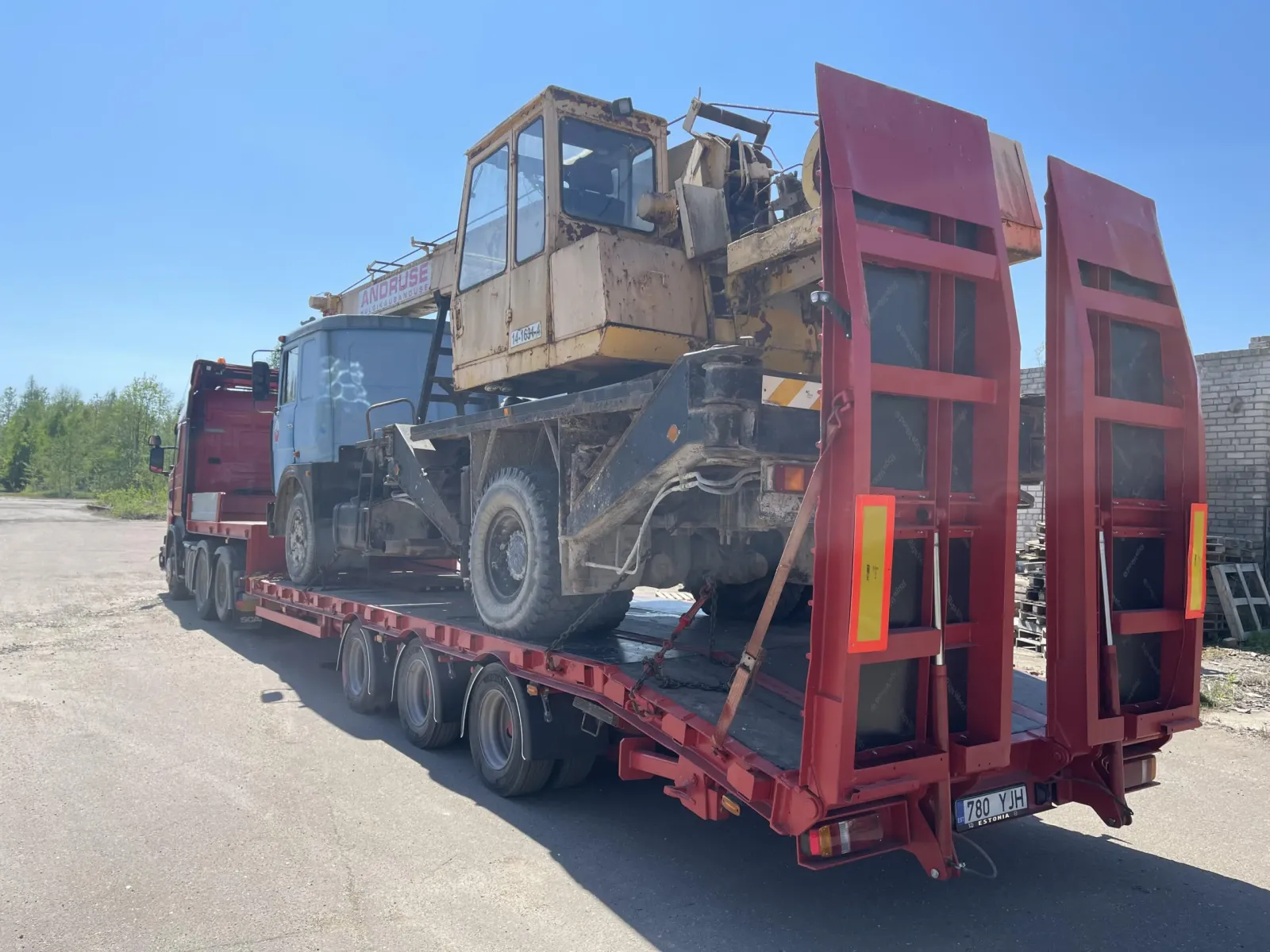
Soil removal checklist
What to check before ordering soil removal from a construction site, so dump truck transport can happen quickly and smoothly.
Read moreRequest a Machine Quote
Contact details
Our main service is machinery with driver. If you know the machine, mention it in the message. If not, describe the job and we will help choose.
We usually reply to quote requests on the same working day.
Send us a message
Leave your name, phone number, and a short description. We'll clarify the rest directly.