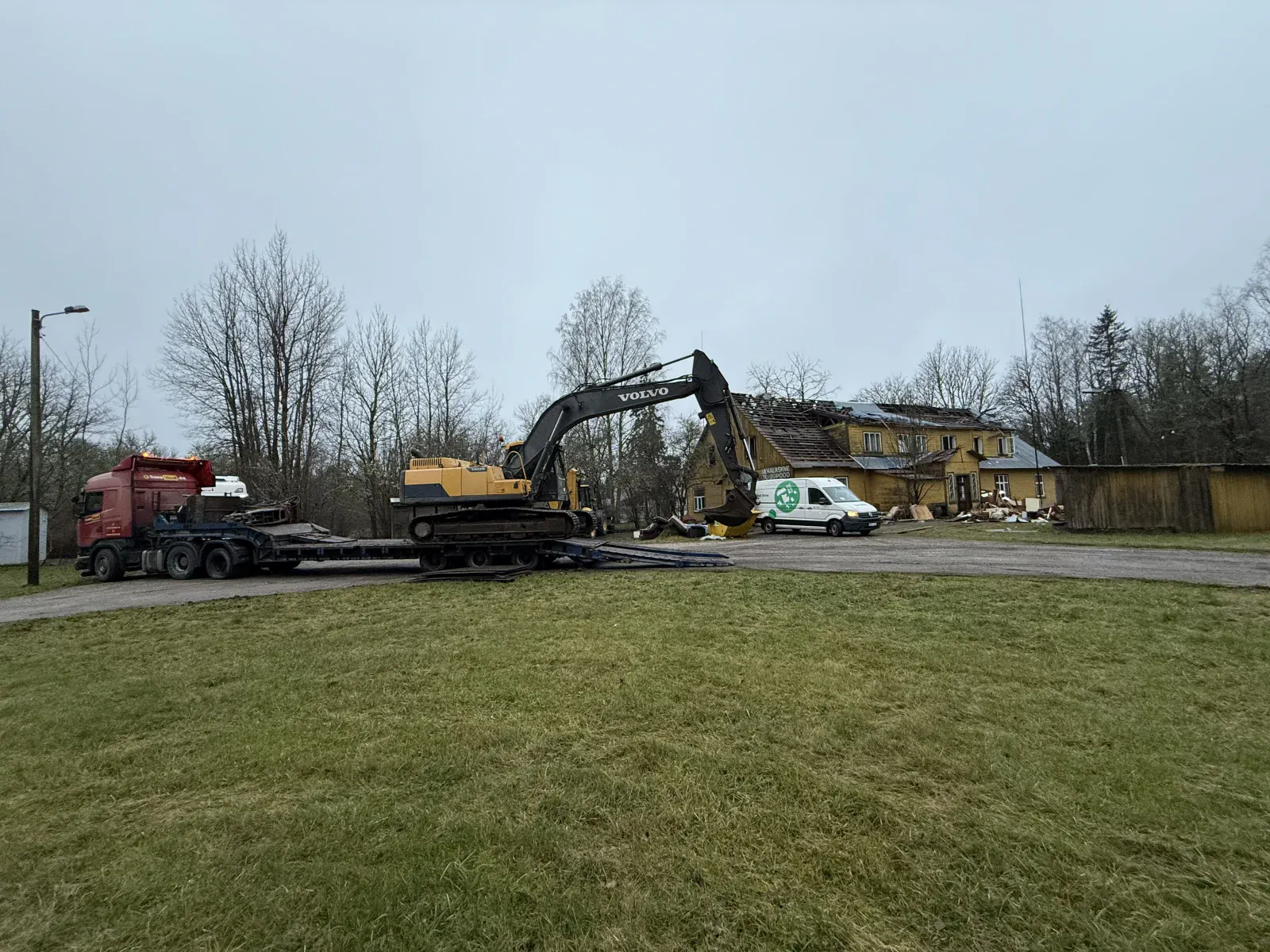
How to choose a heavy machinery transporter
What to check before ordering excavator, loader or other heavy machinery transport — weight, dimensions, trailer type and route.
Moving an excavator, loader or other piece of heavy machinery from one site to another sounds simple enough — just find a suitable trailer and an agreed date. In practice, the whole job depends on a few simple, often overlooked details: the machine's actual weight, access to the loading point, and how precisely that information reaches the transporter.
This guide walks through what to check before ordering heavy machinery transport, so the quote is accurate and the transport day runs without surprises.
Know the actual weight and dimensions of the machine
Before requesting a quote, check or measure the actual weight, length, width and height of the machine. A wrong assumption about weight can later mean an unsuitable trailer or an unexpected extra charge.
Why weight is the most important number
Low loader trailers come with different payload capacities — for example up to 30 tonnes or up to 36 tonnes. If the actual weight turns out higher than stated, the chosen trailer may not fit the job at all, forcing a last-minute change on transport day.
Where to find the exact weight
If the machine's technical documents or manufacturer data sheet aren't at hand, the fastest option is to weigh it on site or ask the dealer, rental company or previous owner.
Check whether the machine can move under its own power
This affects both the loading method and the time needed. A machine that can drive itself can usually board the trailer directly, which is faster and cheaper.
If the machine doesn't run or is broken down, a crane, another machine or other lifting equipment is needed for loading and unloading. Mention this when requesting a quote, since it affects both timing and price.
When extra equipment is needed
Bringing in a crane or a helper machine usually means extra scheduling, since both need to be on site at exactly the right time. Otherwise the whole transport day can run long.
Look into the route and site access
Narrow roads, low bridges, soft ground or a tight turning radius on site can all affect timing and price.
Narrow spots and low bridges
If the height of the machine or trailer is close to the limit, check the route for low bridges or overhead lines. This matters especially for taller or larger machines.
Soft ground and site access
If the loading point is a construction site, check whether a low loader trailer can actually get in and whether the ground can support the combined weight of the trailer and machine. Wet weather can turn soft ground into a real obstacle.
Give the transporter exact details, not rough estimates
An accurate quote depends on the machine name, actual weight, dimensions, and the loading and unloading addresses. The more precise the information, the faster the transporter can give a reliable price and schedule.
- Machine name and model
- Actual weight and dimensions (length, width, height)
- Whether the machine can move under its own power
- Exact loading and unloading address
- Preferred date and time
- Information about access and ground conditions
Summary
A successful heavy machinery transport job doesn't come down to luck — it comes down to a few simple checks before ordering: know the machine's actual weight and dimensions, check whether it can move under its own power, look into the route and access, and give the transporter the most precise information possible.
The more of these points are clear before requesting a quote, the faster and more reliably the transporter can give an accurate price, and the smoother the transport day will run.
Frequently asked questions
How far in advance should heavy machinery transport be booked?
A couple of working days is usually enough, but if you need a fixed date and time, book earlier — especially for larger machinery.
Does transport cost more if the machine can't move under its own power?
Usually yes, since loading and unloading need extra time or equipment. The exact effect on price is confirmed during quoting.
Can a smaller excavator be transported together with a larger machine?
It depends on the trailer's payload and dimensions. Describe both machines and the transporter will confirm whether they fit on one trailer.
What happens if the actual weight differs from what was quoted?
If the actual weight is higher than first stated, a different trailer may be needed or the price may change. That's why it's worth checking the weight before requesting a quote.
See our heavy machinery transport service and request a quote.
Read more articles
How Much Gravel, Sand or Soil Do You Actually Need?
A simple formula for calculating how many tonnes of crushed stone, sand, soil or gravel a job needs — plus an example of how that turns into a price.
Read more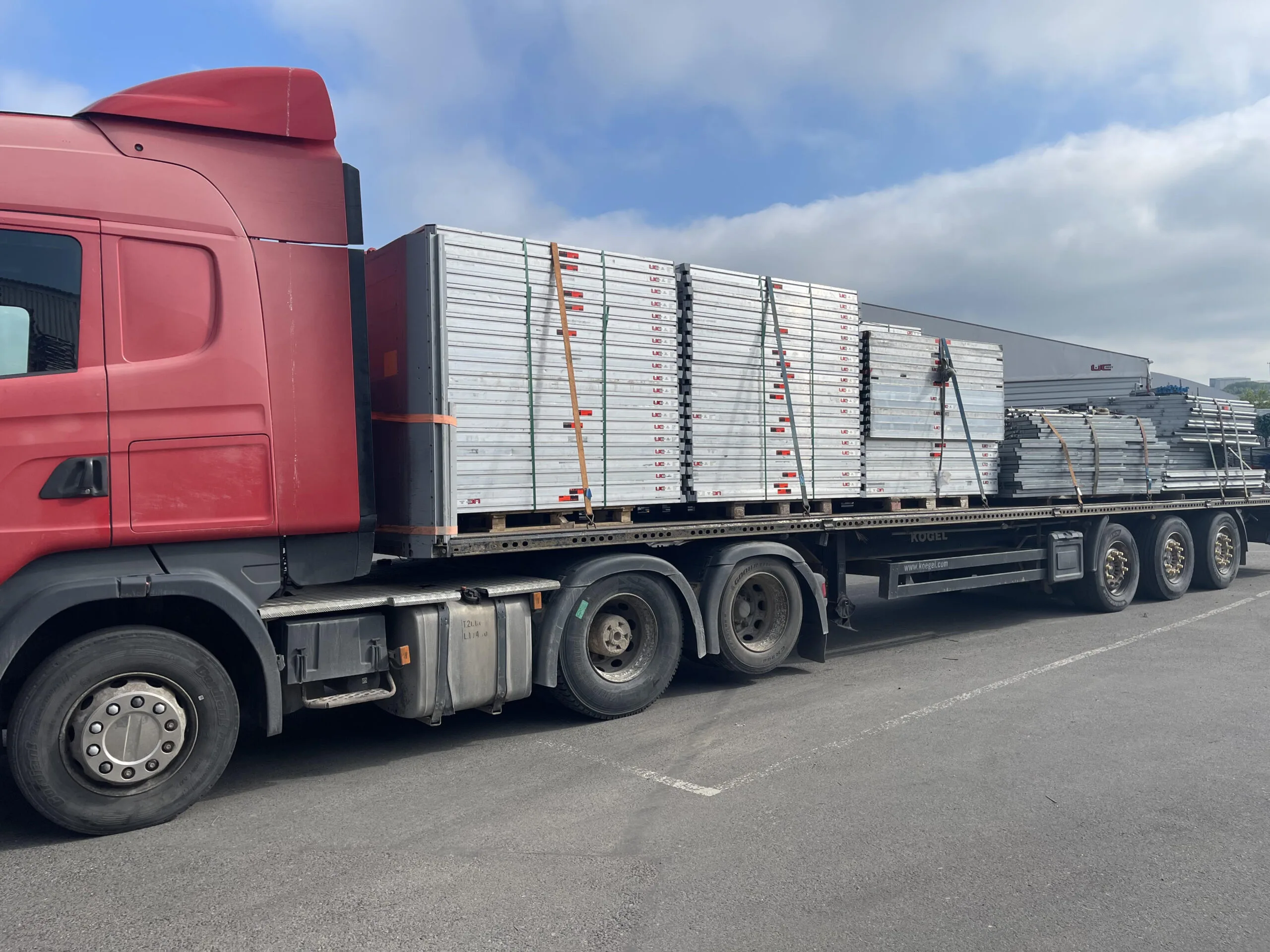
Dump truck or flatbed — what is the difference?
How to decide whether your job needs dump truck transport or flatbed transport — based on material, cargo shape and dimensions.
Read more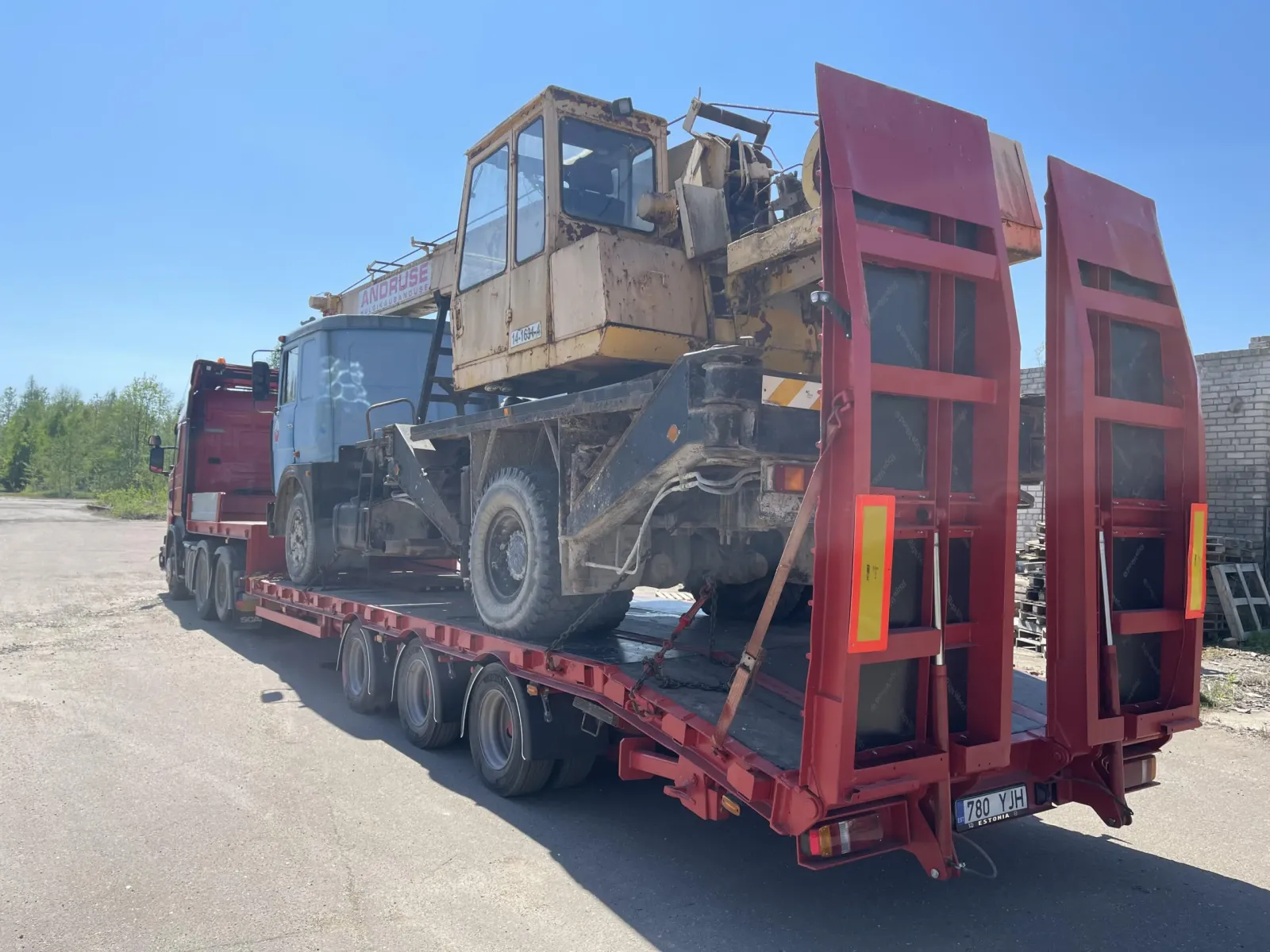
Soil removal checklist
What to check before ordering soil removal from a construction site, so dump truck transport can happen quickly and smoothly.
Read moreRequest a Machine Quote
Contact details
Our main service is machinery with driver. If you know the machine, mention it in the message. If not, describe the job and we will help choose.
We usually reply to quote requests on the same working day.
Send us a message
Leave your name, phone number, and a short description. We'll clarify the rest directly.